Putting a small solar setup on your roof in the Philippines just got simpler. The Department of Energy (DOE) has removed the permits and fees that used to stand between households and small-scale solar installations, under a new policy signed by Energy Secretary Sharon Garin and announced this week.
Distribution utilities — the companies that run the power lines to your home, such as Meralco — can no longer require pre-installation clearances, technical permits, or inspection fees before a household or small business installs a solar system for its own use. Inquirer's report adds that owners of zero-export setups no longer need a Certificate of Compliance from the Energy Regulatory Commission, the document that used to make even small installations feel like a corporate project.
What counts as a covered solar system
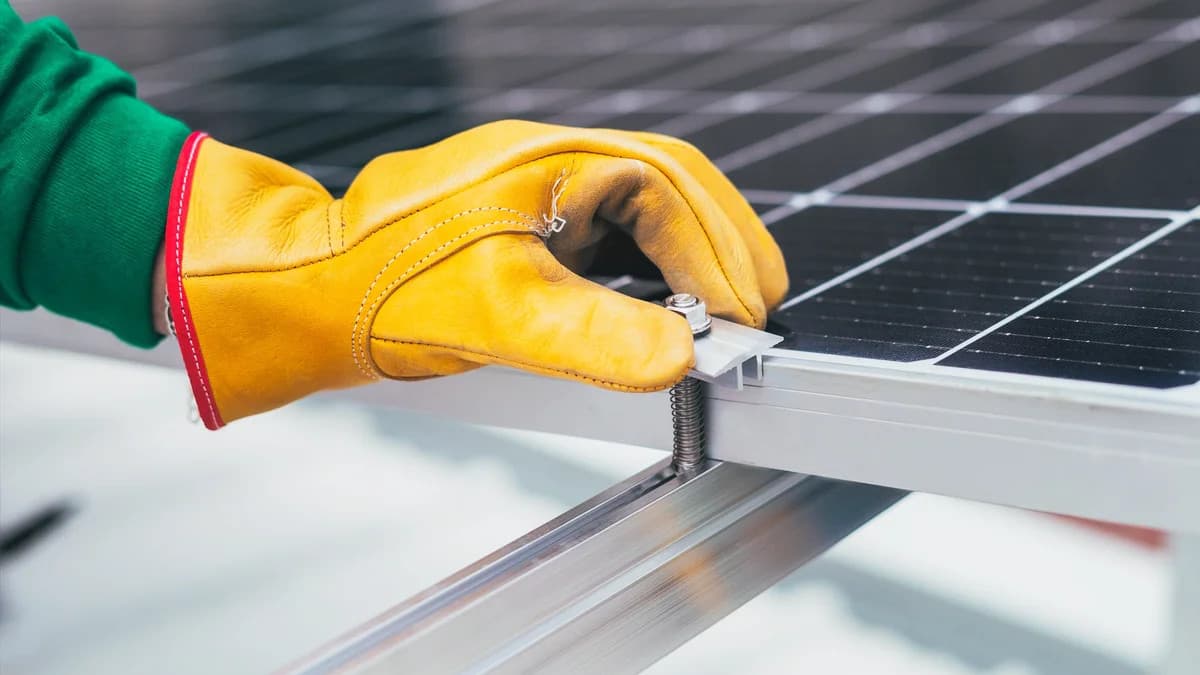
The policy covers self-generating facilities that do not export power to the grid — what the DOE calls zero-export solar systems — and a new consumer category of micro-solar systems: plug-and-play units of up to 1kW DC, or 0.8kW AC. That is enough to run a fan, lights, a router, and phone charging during the day.
For those micro-solar systems, the paperwork is gone almost entirely:
- No building permit is required
- No compliance certificate is required
- No utility clearance or fee is required
- Owners only need to notify their utility after the system is installed
Utilities can no longer push back
The policy also draws hard lines for power distributors. Utilities are barred from collecting fees on these installations, and they cannot respond to a customer's solar setup by lowering the transformer or service capacity serving that home — a practice that previously discouraged self-generation.
Safety was the usual justification for the old red tape, and the DOE addressed it directly: all micro-solar systems must have an automatic anti-islanding disconnect, a mechanism that shuts the system off during a brownout so it cannot send power into lines that utility crews believe are dead. The department is also coordinating with the Bureau of Philippine Standards so that only certified plug-and-play units are sold in local stores.
One thing the policy does not change: these are zero-export systems, so they do not feed power back to the grid and do not earn bill credits. Households that want to sell excess solar power still go through net metering, which runs on a separate track — a reform effort of its own that earlier this year dropped barangay-clearance requirements and set deadlines for utilities to process applications. The new DOE policy targets the simpler case: people who just want to cut their daytime consumption without joining the grid economy. The coverage is broad, taking in households and small businesses, and reports on the announcement note it extends to facilities like clinics that run self-generating setups.
Part of a bigger renewable-energy push
The DOE says the change supports its target of raising renewable energy's share of power generation to 35% by 2030 and 50% by 2040, and it plans to work with housing agencies on how solar panels fit into urban housing. The move lands amid a wider government push on household electricity costs, including the president's call to amend EPIRA and promote home solar through the proposed Sariling Kuryente Act.
What this changes for your electricity bill
For a household, the practical math is now simpler: a plug-and-play panel bought from a store can be installed without visiting a single government office. Solar installers previously quoted weeks of processing for small systems; that overhead is gone for zero-export setups. The savings still depend on your daytime consumption — zero-export systems only offset power you use while the sun is up — but the fixed costs and waiting time that made small installations not worth the trouble have been removed.