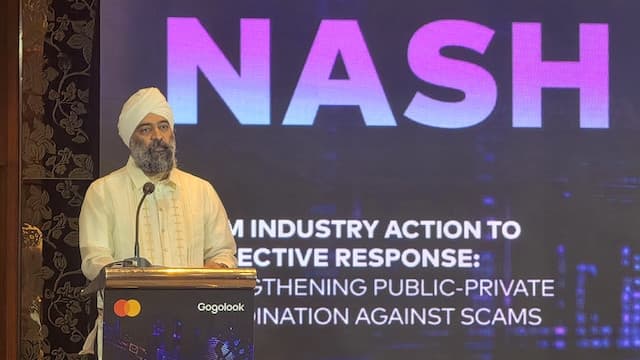
Eight in ten Filipino adults — 84% — encountered at least one scam attempt in the past year, up from 77% in 2025, according to the State of Scams Philippines 2026 report from the Global Anti-Scam Alliance (GASA), produced with Mastercard and Gogolook. The report, presented at the National Anti-Scam Forum on October 8, estimates that Filipinos lost ₱121.8 billion to scams over the year, with the average victim losing ₱10,427, VERA Files reported.
The survey covered 1,160 Filipino adults. Because the loss figures are built from survey responses rather than verified case records, treat them as estimates of scale, not audited totals.
The money moved from banks to e-wallets
The report's most striking finding is where stolen money now goes. Reported scammer use of e-wallets jumped from 34% in 2025 to 73% in 2026, while the use of bank account transfers to move illicit funds collapsed from 36% to 12%, Backend News reported. The Philippines was the only Southeast Asian market in the study to record that kind of decline in bank-channel fraud.
The report connects the bank-side drop to the Anti-Financial Account Scamming Act (AFASA), the 2024 law that gave regulators and banks stronger tools to identify and freeze money mule accounts. The implication for the e-wallet side is uncomfortable: as banks hardened, fraud flowed toward the path of least resistance — the wallets millions of Filipinos use daily.
Where scams reach people
- Text messages and SMS remained the most common approach, reaching 68% of those who encountered scams.
- 39% were approached through instant messaging apps.
- 88% of reported attempts involved platforms with direct or private messaging.
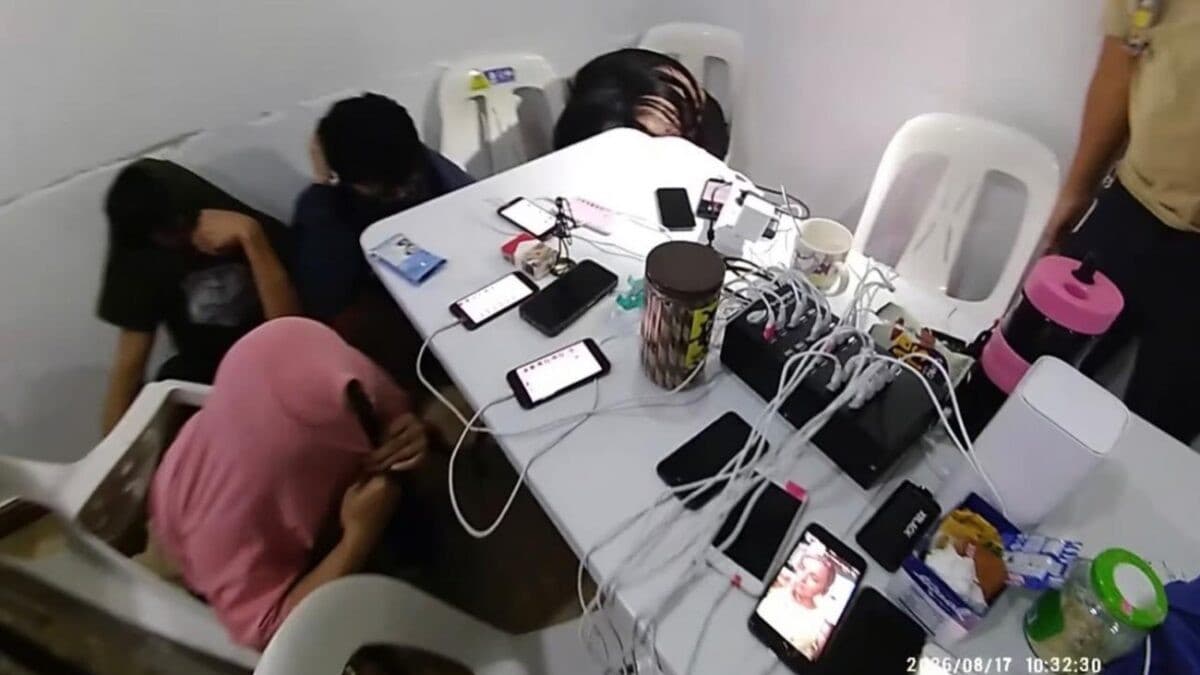
- Shopping, investment, and employment scams were the most common types.
Awareness did not reliably protect people: 58% of adults said they were confident they could recognize a scam, yet 60% of those who encountered one still interacted with it.
The human cost
Among those who lost money, 82% said the experience hurt their mental well-being, and 22% said they could no longer afford basic essentials afterward. One in five parents said at least one of their children had been scammed. GASA Asia-Pacific director Brian Hanley put it plainly at the launch: scams are "persistent... in all demographics, everywhere, all the time."
Reporting and recovery remain weak points. Only 4% of respondents reported scams to authorities, rising to 29% among those who actually lost money — and just 12% of those who lost money recovered any of it.
What the report wants government to do
The headline recommendation is a National Anti-Scam Hub (NASH): a single coordinating body where complaints, intelligence, and response actions meet instead of being scattered across agencies. The report also calls for a common case management system, expanded intelligence-sharing, faster ways to trace and freeze stolen funds, and tighter coordination among government, banks, telcos, and platforms. Cybercrime Investigation and Coordinating Center (CICC) officials at the forum backed the hub concept.
What this means if you use GCash or Maya
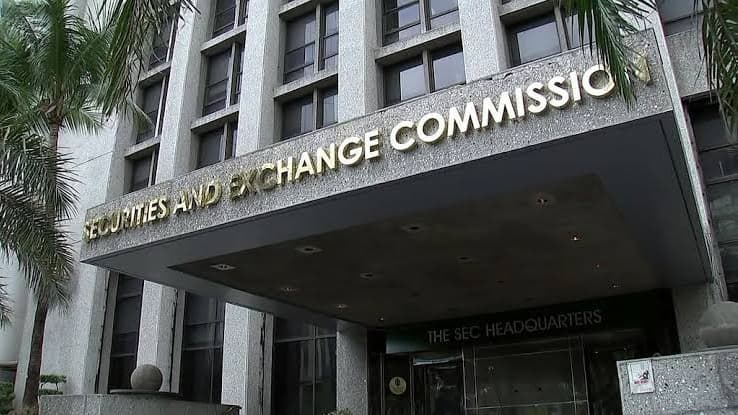
The 34%-to-73% shift means e-wallets are now the main cash-out channel for Philippine scams, so expect pressure on wallet operators to match what AFASA forced on banks: faster freezing, mule-account detection, and better victim alerts. Until then, the practical defenses are unchanged — treat unsolicited messages with links as hostile, verify sellers and job offers independently, and report losses even when recovery looks unlikely, because reports are what the proposed hub would run on. Regulators have already shown they will act on scam infrastructure, as when the SEC shut down three investment schemes including an AI trading pitch.